10 Proven Benefits of Dance for Children
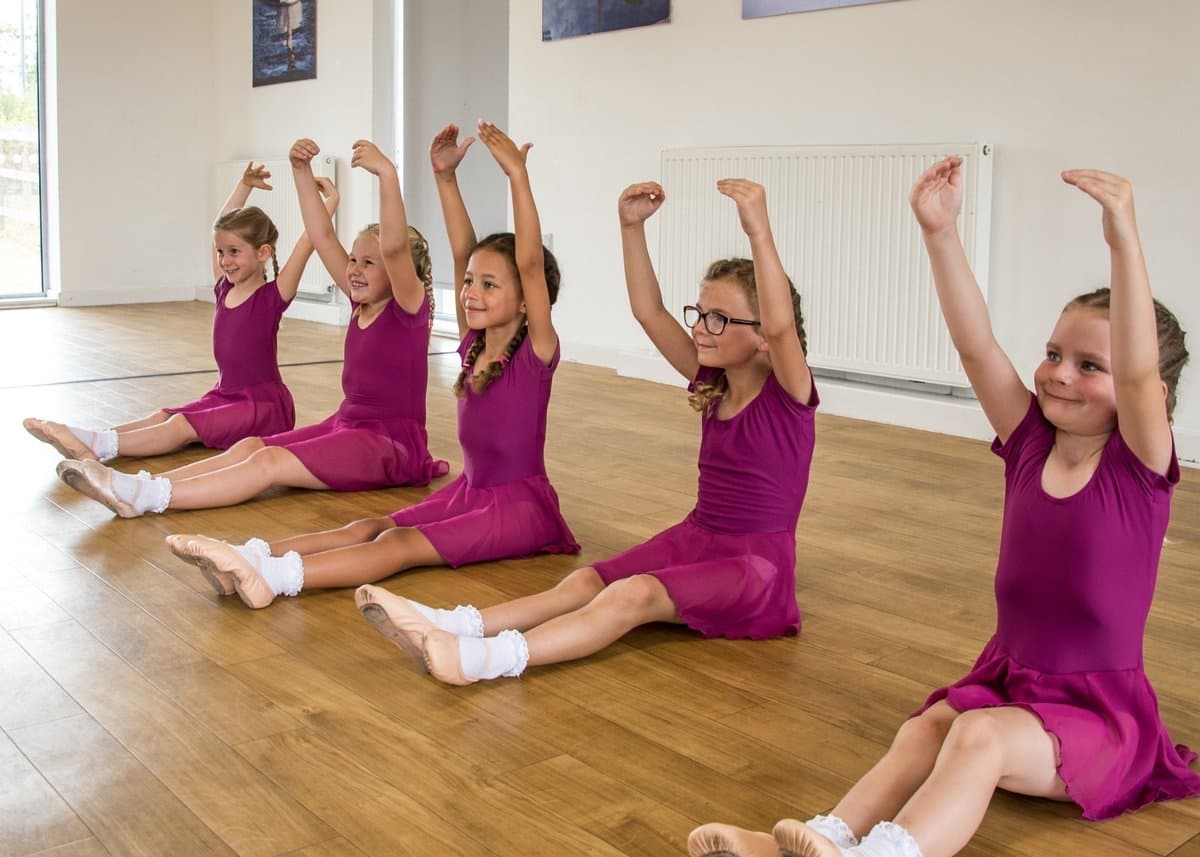
Dance offers far more than social opportunities and physical activity. It provides numerous advantages that benefit children throughout their lives.
Confidence and Self Esteem
Dance classes enable children to develop new capabilities, perform, and strengthen their self-confidence, which extends into all aspects of life. Good posture acquired through dance has been shown to enhance how individuals feel about themselves and their confidence levels.
Community
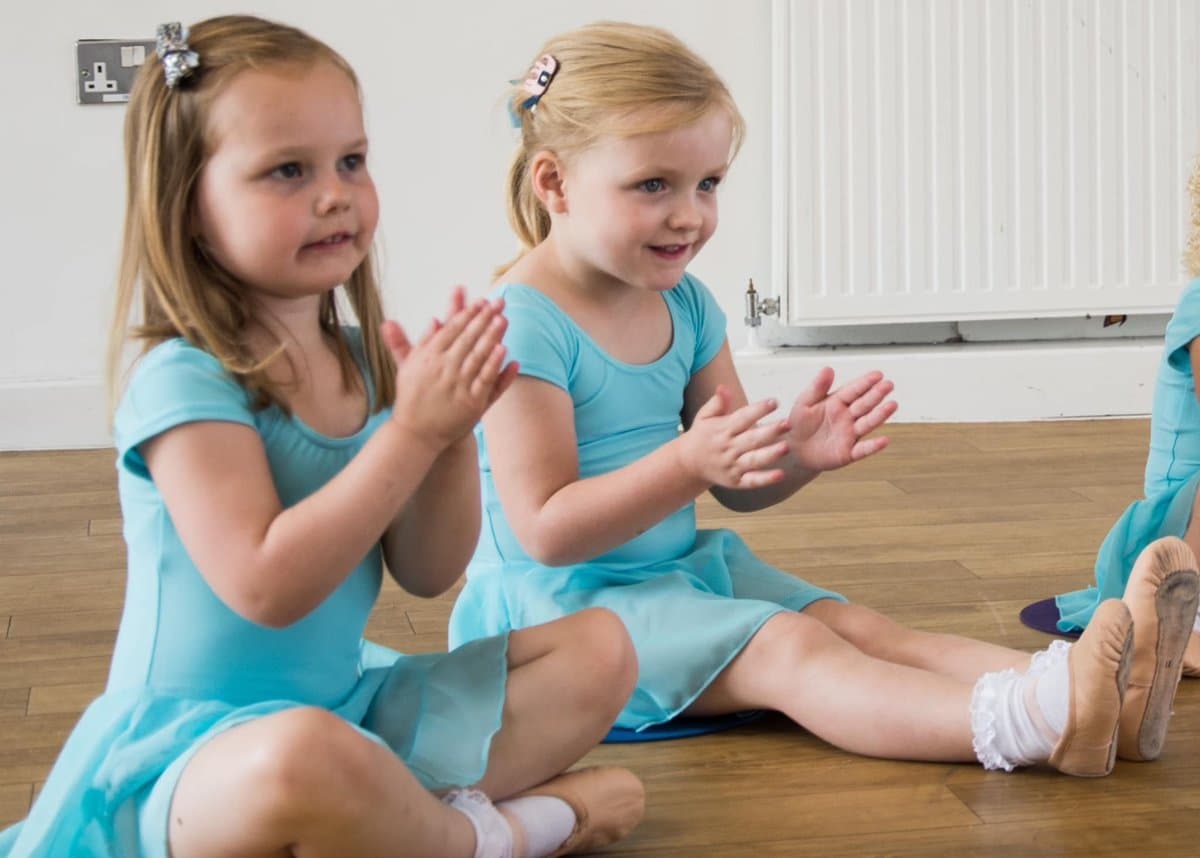
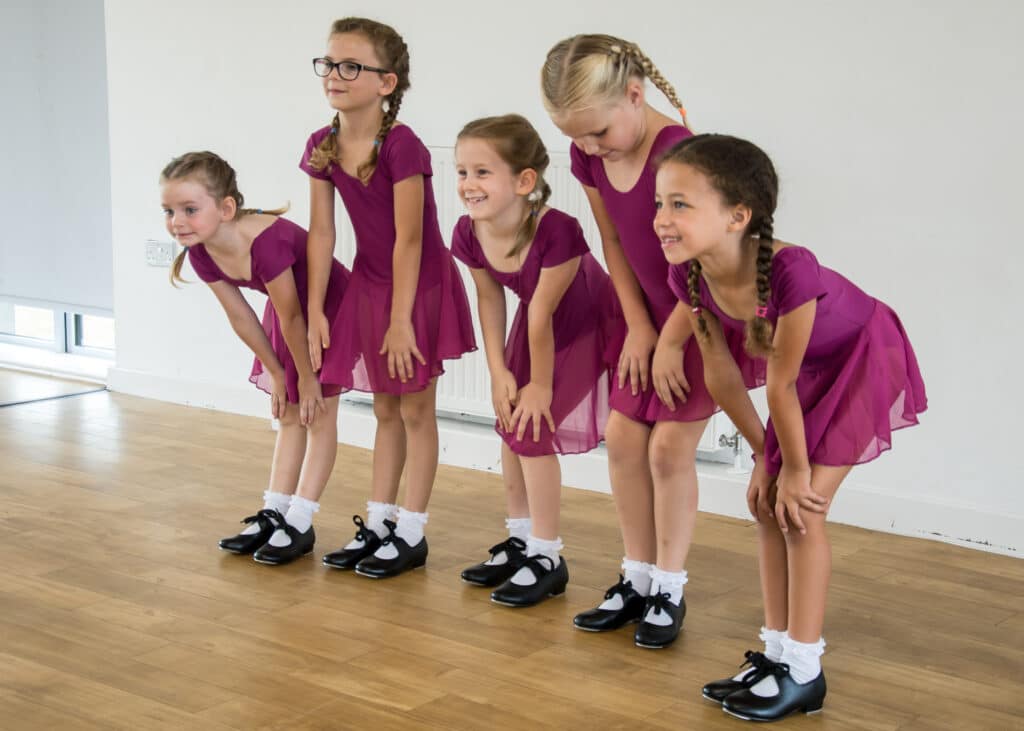
Dance creates a sense of belonging where children connect with peers sharing similar interests, participate in performances together, and learn collaborative skills as part of a team.
Physical Benefits
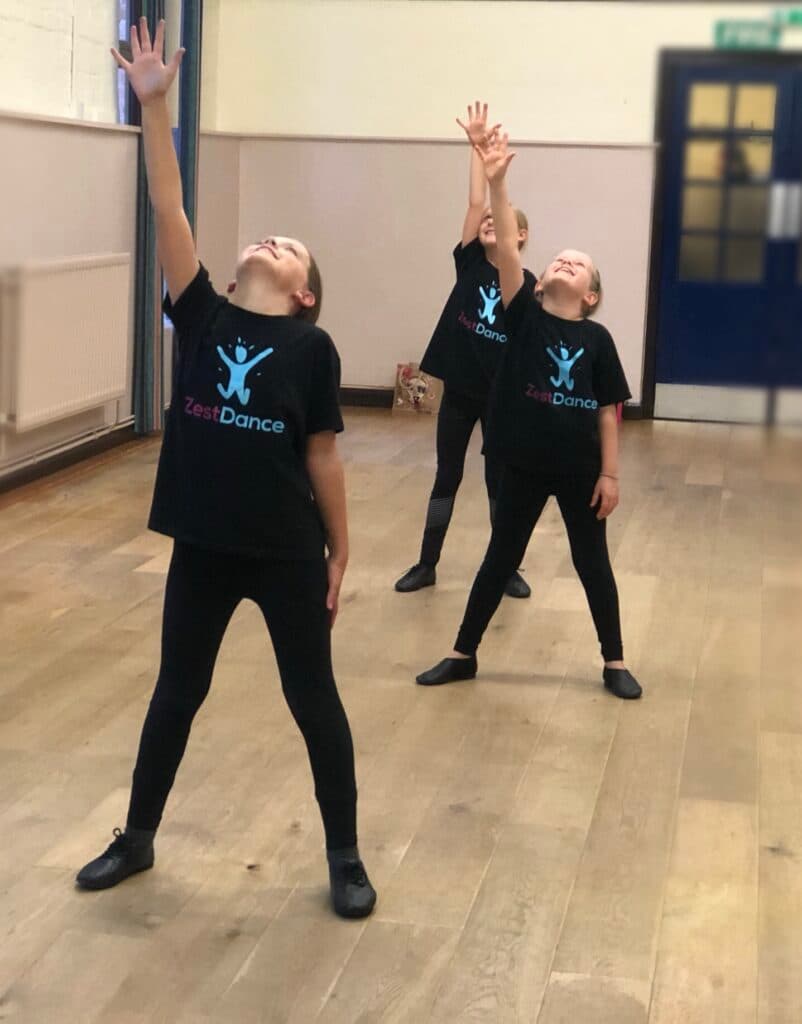
Dance helps children develop diverse physical capabilities including balance, flexibility, strength, conditioning, posture, agility, and stamina. It also teaches safe exercise practices and body awareness.
Accomplishment
Multiple achievement opportunities exist within dance, from stage performances to exam completions to mastering specific movements. These experiences strengthen self-worth and esteem.
Resilience
Dance challenges children, requiring persistence and practice. It teaches the importance of maintaining effort toward meaningful goals.
Creativity
Dance provides outlets for self-expression that support mental health. Developing creative thinking and imagination from an early age strengthens problem-solving abilities and innovative thinking.
Staying Active
Regular physical activity through dance is essential for children's health, particularly important following periods of limited activity.
Determination
Dance instils the capacity to pursue goals — both modest and ambitious — with the drive necessary to achieve them.
Presentation Skills
Dance improves posture and performance abilities. Uniform standards encourage professional appearance pride, while stage performance builds confident self-presentation applicable to interviews, presentations, and future endeavours.
Work Ethic
Dance requires dedication toward varied objectives, from learning individual steps to competing at festivals or passing exams. This cultivates understanding that achievement often demands sustained effort.